Hobart, TAS
As most of our readers know, DBSC sailors had a great showing at the recent Open & Youth Nationals. Charlie Byford very kindly provided the following account of his experience:
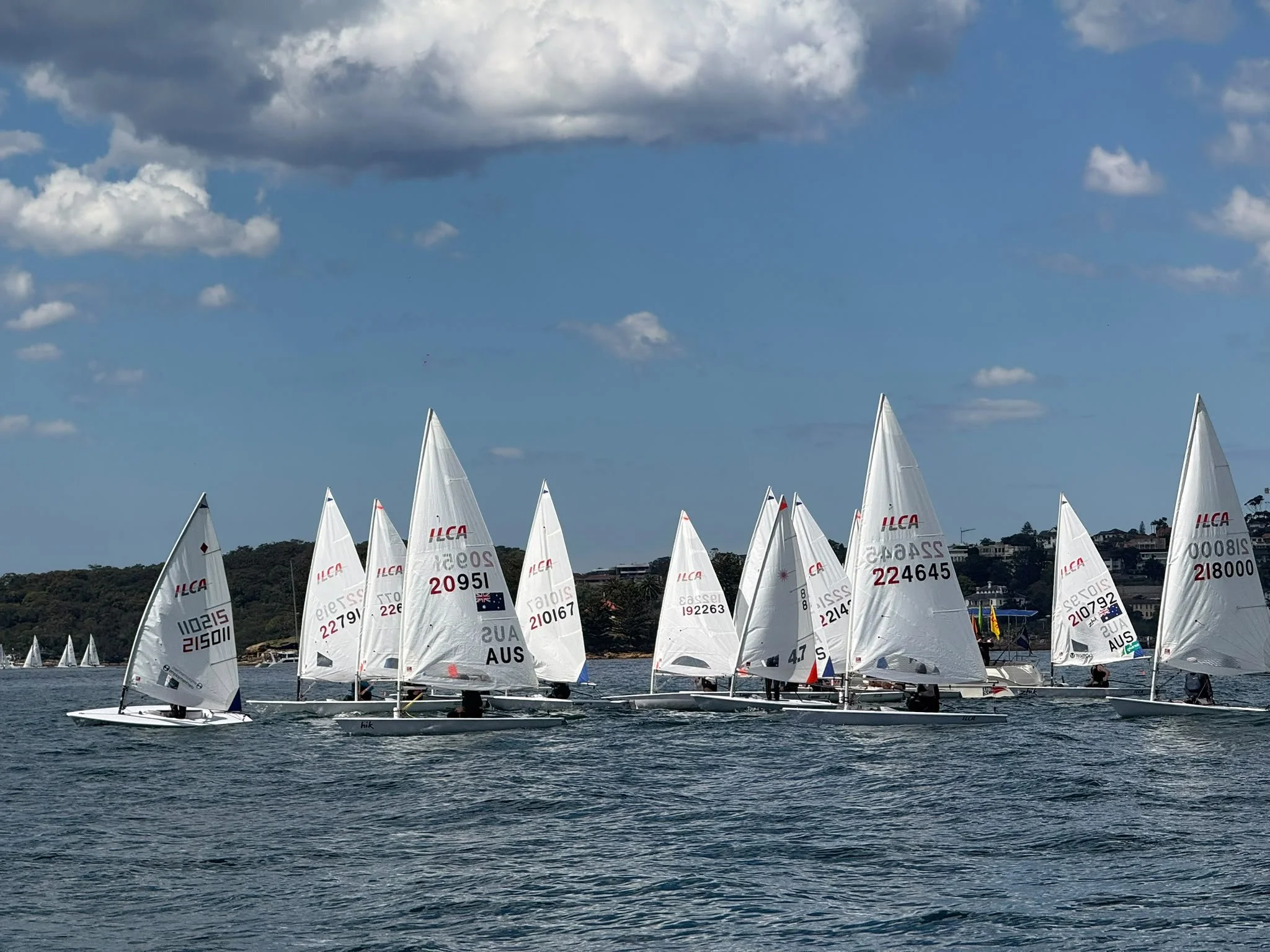
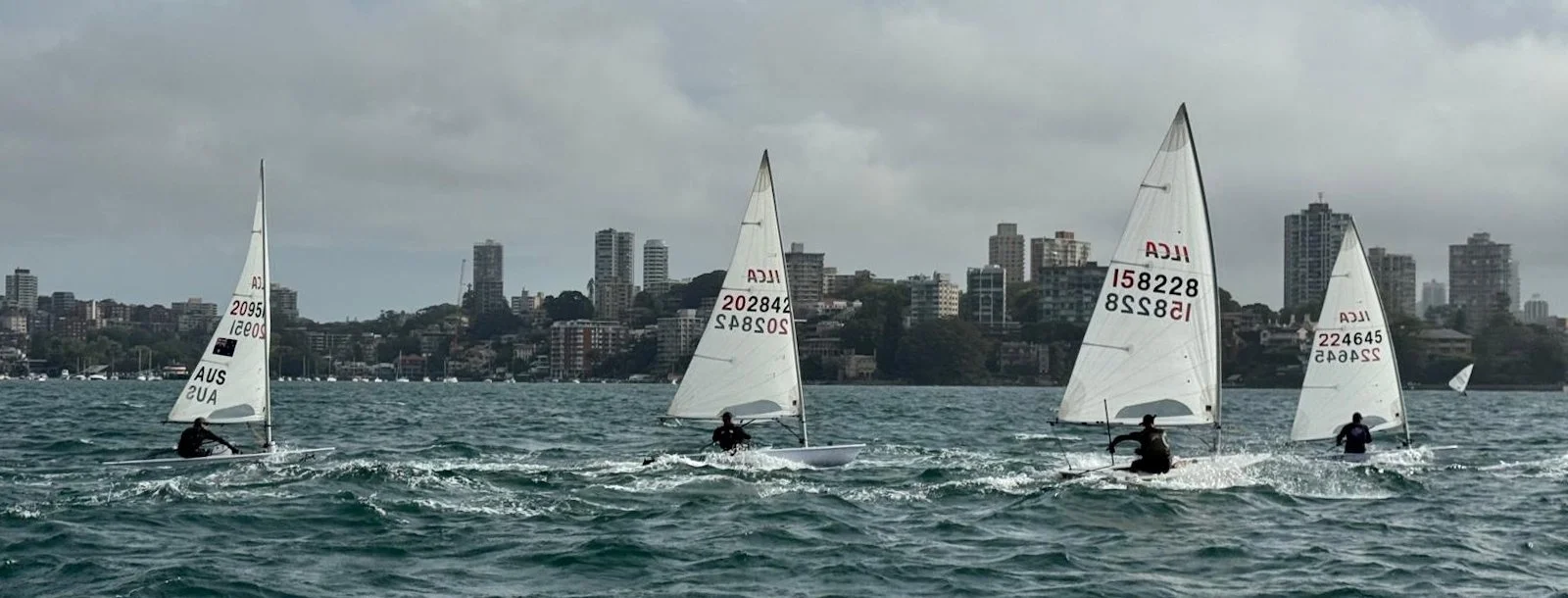
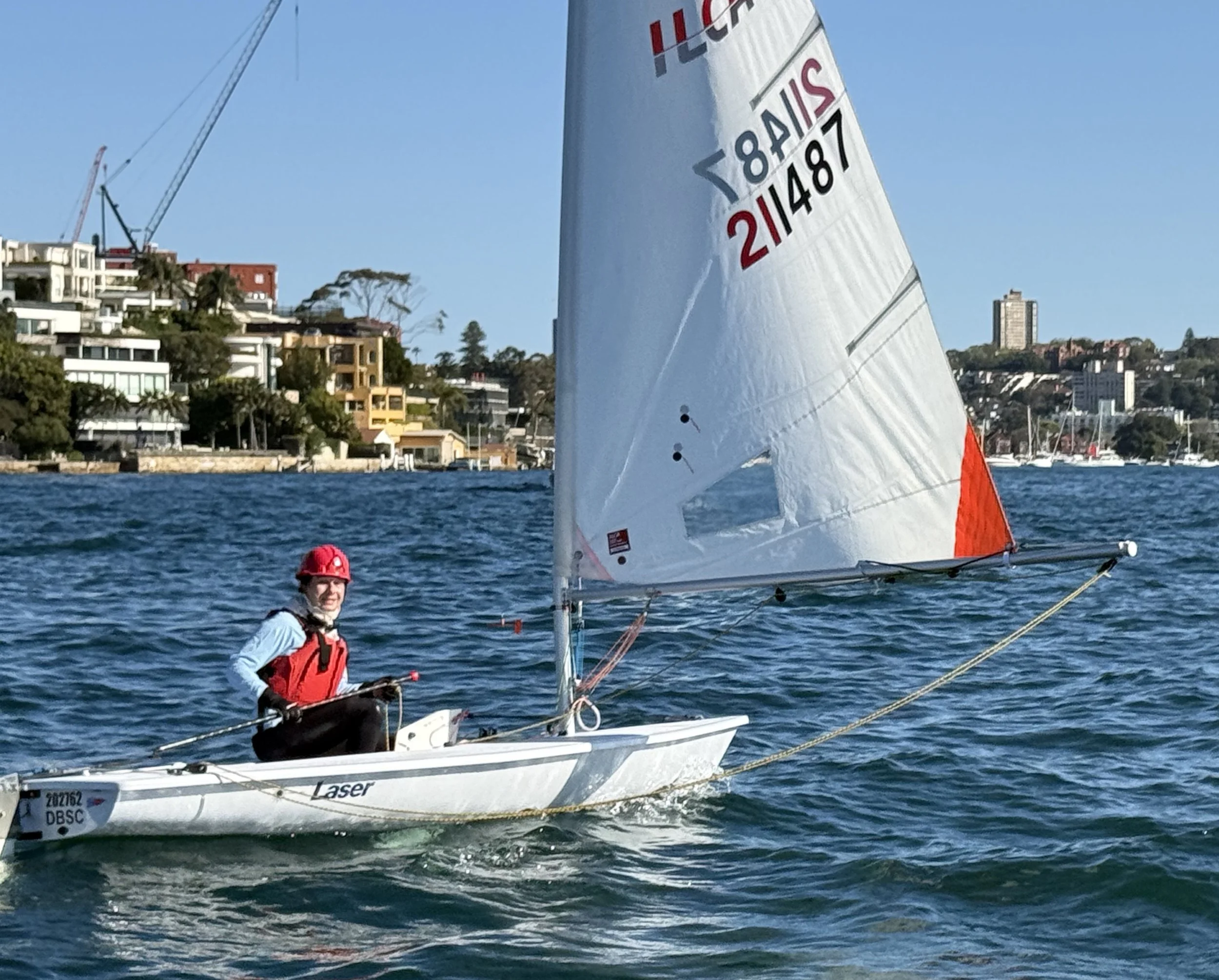
A couple of weeks ago a strong contingent of Double Bay sailors made the journey to Hobart for the 2026 ILCA Oceania & Australian Open & Youth Championship hosted by the Royal Yacht Club of Tasmania, with 6 days of racing from the 3rd to the 8th of January.
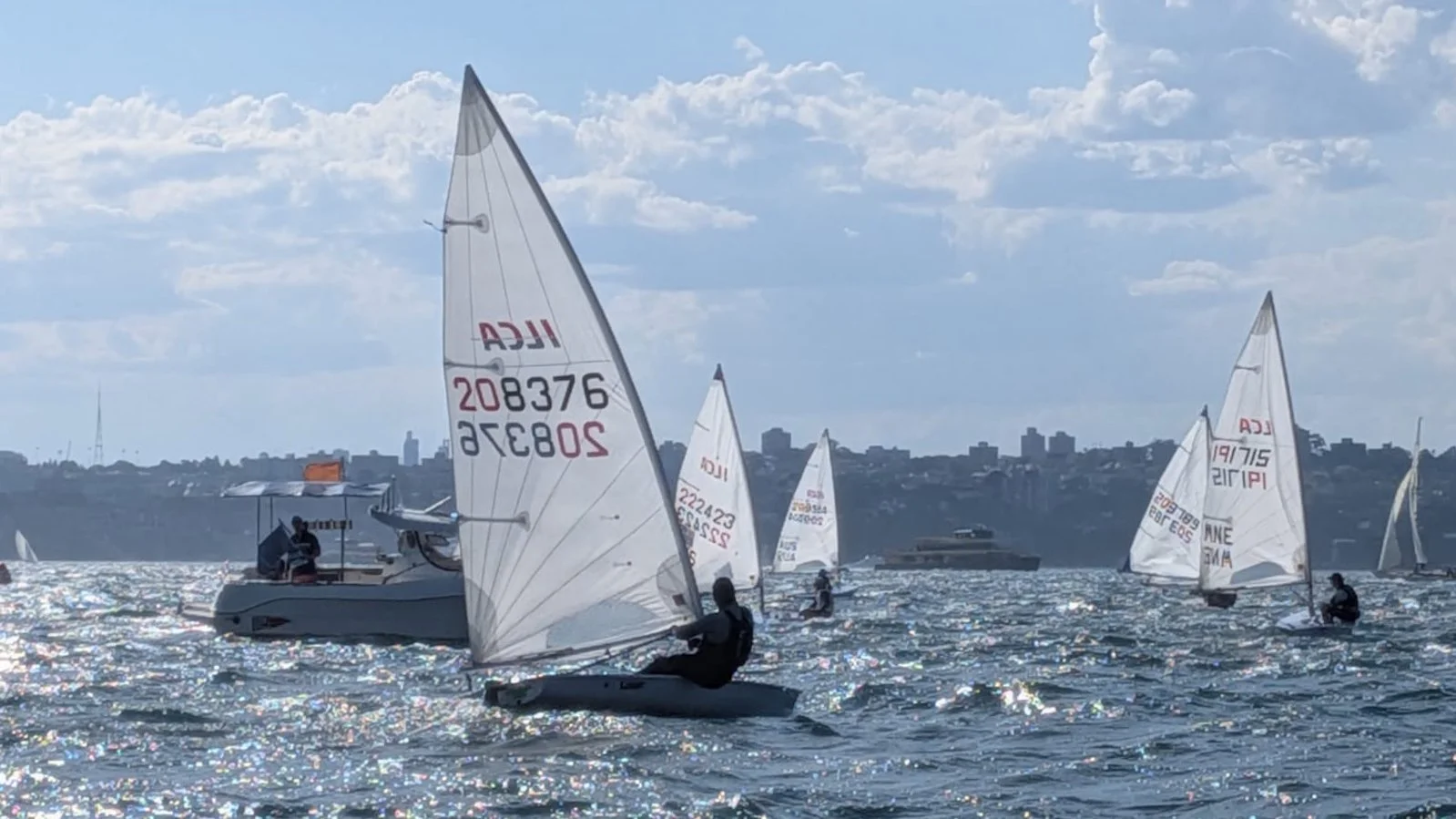
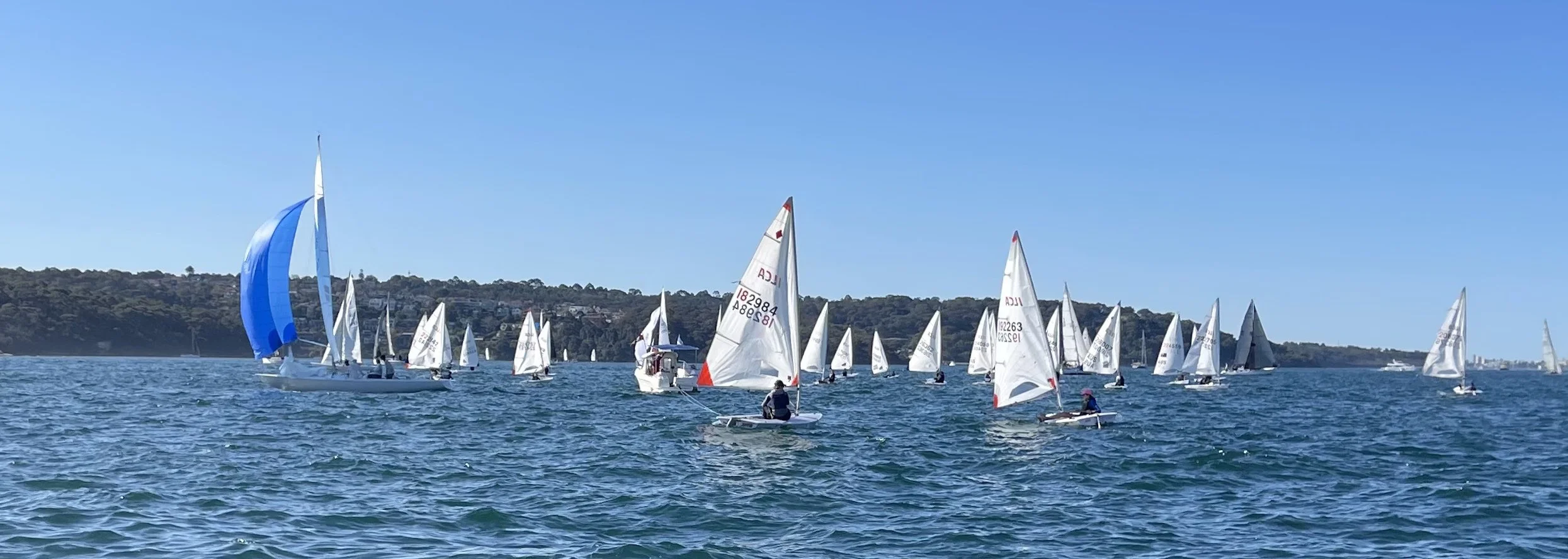
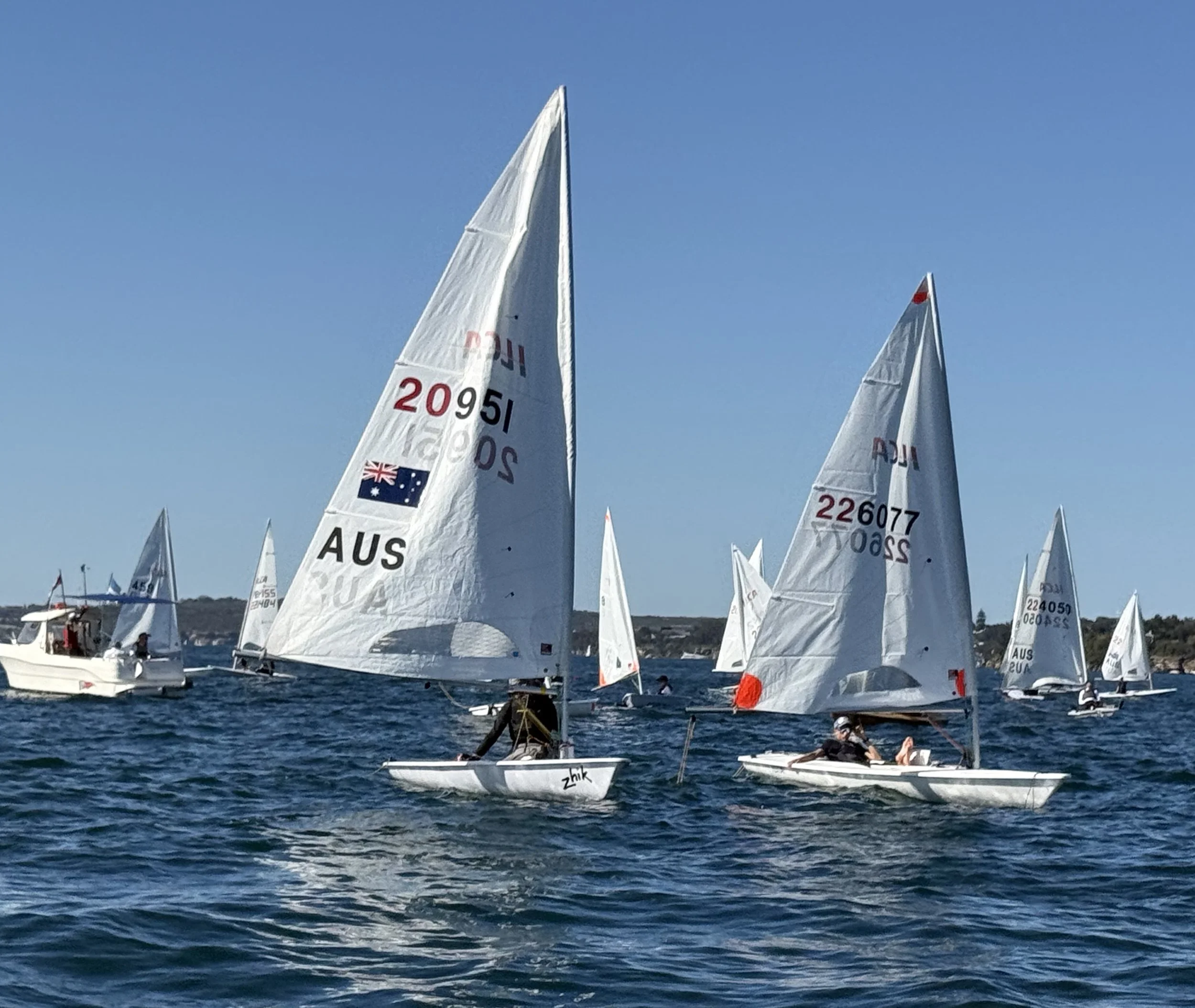
This was a well-organised event with 191 entrants from 12 different countries breeding competitive fleets. Competitors included rockstars like Matt Wearn, Fynn Lynch, Duko Bos and the Australian Sailing Squad in the ILCA-7’s. The ILCA-6’s saw Mari Erdi, Emma Plasschaert, Matilda Nicholls, Jon Emmett and the Australian Sailing Squad, alongside the youth talent in all fleets. Sailors faced a range of conditions from a gusty and unpredictable westerly to a light, oscillating southerly.
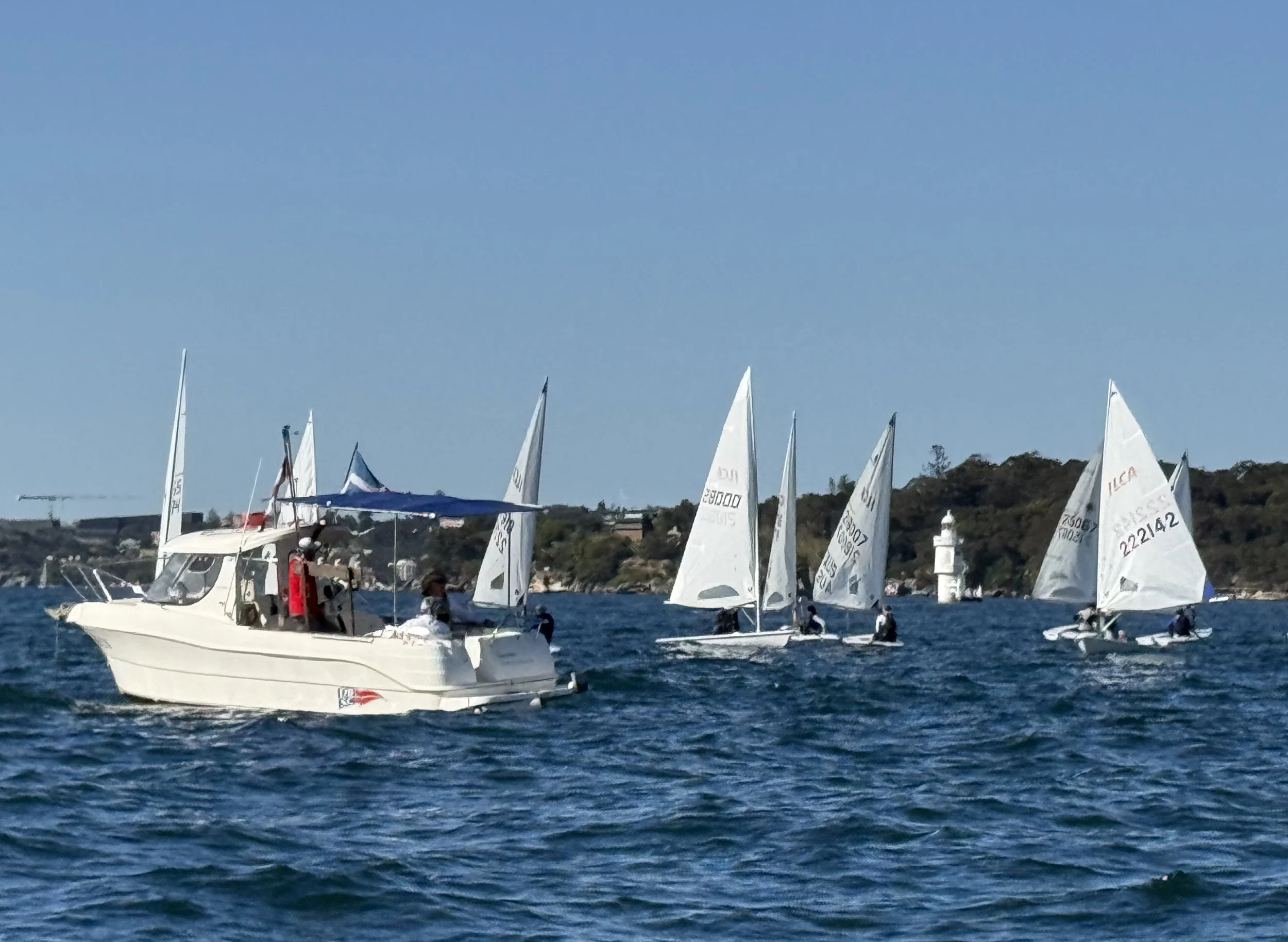
The first two days in a cold southerly was all about boatspeed, with Sylvie establishing her position in front early. The current was strong heading from the start to Mark 1, which required attention, particularly on the inner courses, and made for a sharp chop in the middle of the course. On the start line the general fleet lacked aggression compared with the ‘professionals’. The inner loop was best sailed by rolling with the long-term shifts and ignoring smaller ones, whereas the outer loop was favoured on the left and those who committed managed to lift around Tranmere Point into the top mark. The youth sailors who found themselves at the front struggled to keep up downwind as the professionals were very quick in the difficult waves, creating large gaps in the fleet.
The next 3 days were very different as competitors encountered contrasting breezes: a shifty gradient wind coming off the mountain and a more stable sea breeze, which led to large, unpredictable shifts that dictated the races. Days 3 and 4 were particularly wearisome for the ILCA-6’s with a back-to-back 6-3/4 and 7 hour days on the water, respectively. [DBSC coach] Paige Caldecoat’s insightful advice helped sailors to minimise risk with a plan and level up their aggression on the start, both of which were especially important in these conditions.
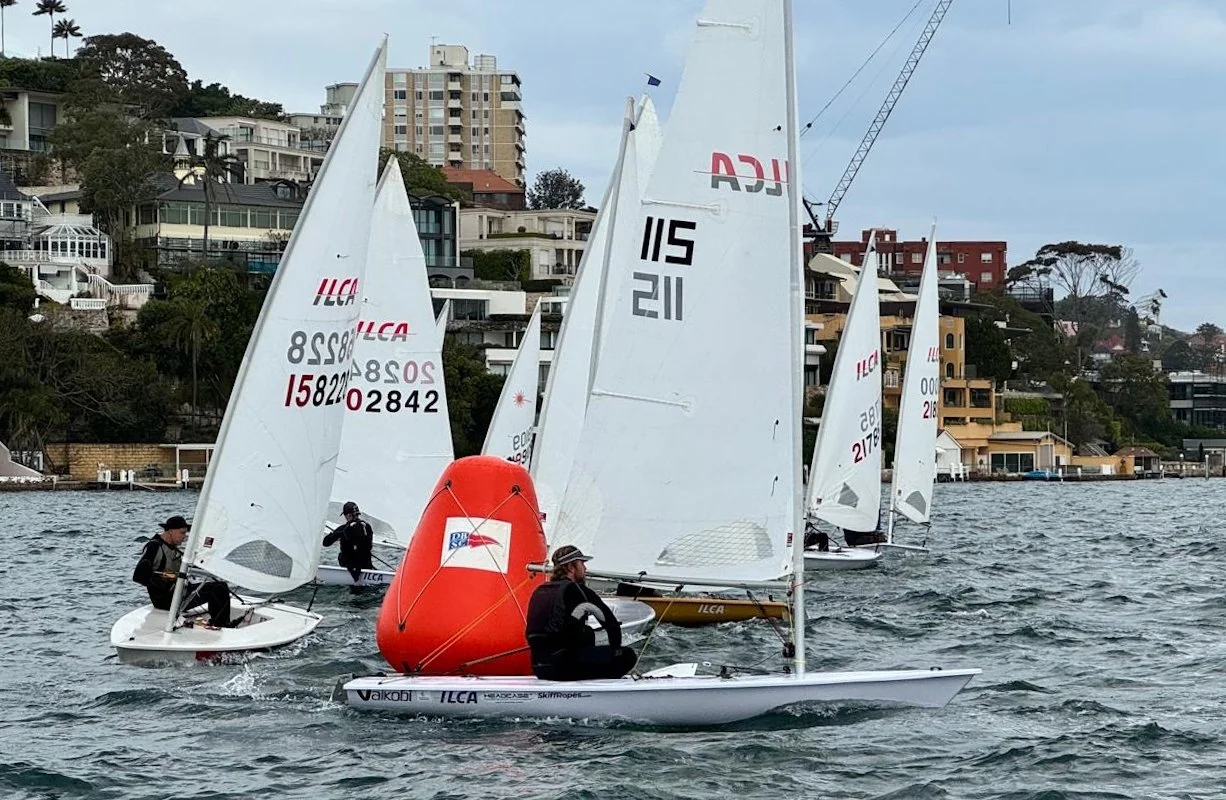
After 6 races (and some final protests) to decide the fleets for the finals series, the ILCA-6’s and ILCA-4’s were split into silver and gold fleets. Day 4 (Day 1 of finals) was particularly trying with long and sometimes abandoned races for each fleet due to wild shifts and major fluctuations in pressure that at times had sailors drifting backwards as a result of the current and waves. The right-hand side was heavily favoured on the inner course for these three days due to the tide relief and long-term lifts experienced up the beat, whereas the outer loop was phase-driven and constantly changing. Paige’s advice was plain and simple: races were won and lost at the start, and it was imperative that you went the right way on the first beat to establish enough space to make your own decisions on the second beat and to sail the conditions at hand. You needed to eliminate the risk associated with speculating on shifts and gusts, as these were impossible to foresee.
Day 6 (Day 3 of finals) was much like the beginning of the regatta with the return of a medium to strong oscillating sea breeze (except that it was slightly warmer). With all the best in each fleet fatigued and battling it out with each other, there were opportunities for those behind to score some good races. Although the conditions were similar to the first two days, the front pack was more compressed as these sailors would go tack for tack around the whole course. Once again it was very much a boat speed contest with the front pack converging from both sides at the top mark. Paige’s advice from the last day I found particularly helpful: building on my sailing over the course of the regatta and placing emphasis on punching out off the start with clean air and minimising tacks. This advice proved spot-on as I was able to round in front of Emma Plasschaert at the top mark and by improving my work rate downwind, I was far more competitive.
In conclusion, this regatta was a great opportunity for me to test myself against the best in the world and identify my strengths and weaknesses in big fleet racing. Every day I learnt something new and, by the end, saw immense improvements.
Here’s how DBSC’s sailors placed: